Gender inequality is a terrible social menace that has managed to infiltrate the workplace, causing strenuous work relationships and unbearable working conditions among employees of certain gender. In a nutshell, gender inequality entails treating individuals unfairly or perceiving them differently based purely on their gender. Women often fall victims of gender inequality – they lag behind men in a myriad of sectors and are even paid less compared to their male counterparts.
A recent report unearthed that every eight out of ten companies in both the private and public sector are paying women less than men. It’s a worrying trend, but one that can be curbed if every department did their part.
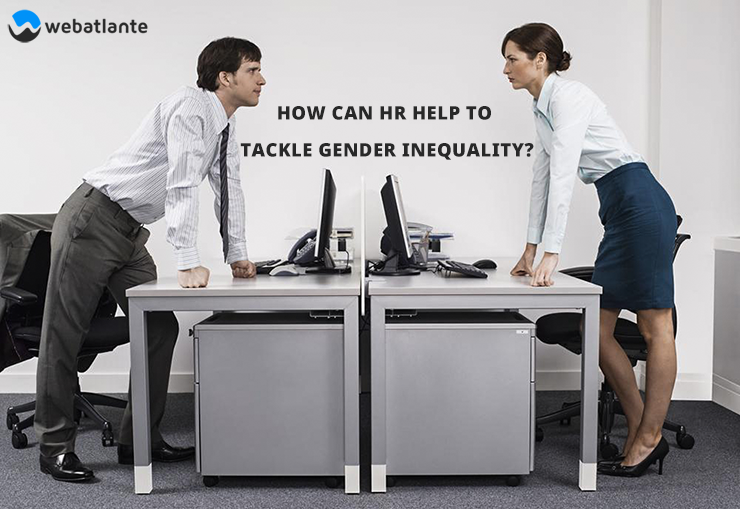
Ways in which HR can help to curb gender inequality:
1. Assess employee raises and promotions to eliminate bias
When ladies and men bearing the same qualifications are awarded similar earning opportunities, bonuses and management training resources, they exhibit equitable talent development. HR should vet all activities that involve giving raises and promotions to ensure that employees are awarded such perks fairly and equitably. Individuals should be treated on the basis of their skills, experience and performance levels – simply put, the value they are adding to the organization. Gender-based biases should be nipped in the bud.
2. Check the data for gender prejudice
HR is often fortunate to have unlimited access to all employee data. It can exploit this data to paint a true picture concerning the business. For instance, if male employees in job group “A” are paid unfairly higher than women in the same job group (as evidenced by their payment info), then HR should boldly raise a red flag. This will catch everyone’s attention and hopefully stop this unequal treatment. With the advent of sophisticated HR software, it’s easy to spot cases of gender inequality in different departments and companies. One such software is WebAtlante.com.
3. Evaluate all job descriptions to eradicate pay disparities
Every single job comes with certain roles and responsibilities. Job applicants are expected to meet a certain threshold in order to qualify for the jobs they’re applying. However, there’s a widespread perception that some occupations should be entirely male-dominated while others should be solely conducted by women. This trend has significantly propagated gender inequality and further led to huge pay disparities. HR should determine the amount of skills, knowledge and responsibility required for different jobs to eliminate hiring a certain gender based on the bias of physical hazards, job complexities and similar factors.
4. Come up with flexible working shifts and trends
Pregnant women and those with children often face gender inequality because they’re perceived to offer divided attention to their work. As a result, their working hours are cut back or they’re shifted to another job that is less demanding. Although there’s sufficient evidence to prove that employees can benefit immensely from flexible working conditions, most companies still insist on using the traditional 9 to 5 working model. Consequently, female employees find it difficult to progress in their respective careers as they might desire. HR should sensitize line managers on the immense benefits of employing flexible working trends; how they can use it as an effective tool to retain talent and enhance performance.
5. Examine maternity policies
Female talent should be regarded just as valuable as male talent. However, some organizations disregard the value of women and stall their careers needlessly, especially when they take their maternity leave. This shouldn’t be the case. HR should devise ingenuous ways of keeping in touch with female employees on maternity leave. It should also implement strategies to guarantee that these women return to their jobs successfully. Part of this should involve training managers on how they should manage cases of maternity leave.
How can WebAtlante Help?
WebAtlante has a wide assortment of HR management tools that can not only streamline your business operations but also facilitate gender equality in every single department. At WebAtlante, transparency and gender equity are highly regarded.